
黑金(全文在线阅读)>
黑金Anthropic:AI没有导致失业率的增加_我的网站
A | 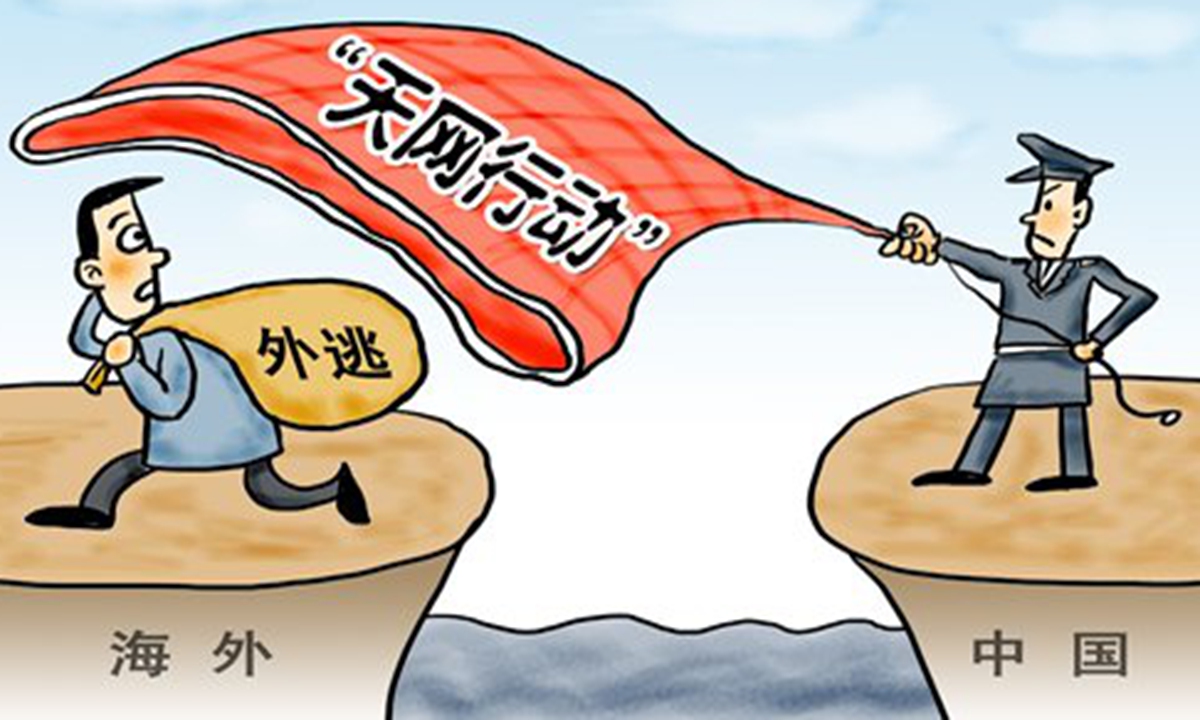 Chinese lawmakers began reviewing a draft law on combating cross-border corruption on Tuesday, a legislation which experts believe would help close legal gaps in investigating overseas corruption, pursuing fugitives and recovering illicit assets, while strengthening international cooperation and corporate compliance. The draft was submitted for its first reading to the ongoing session of the Standing Committee of the National People's Congress, the country's top legislature, per Xinhua News Agency. Huo Zhengxin, a professor at the China University of Political Science and Law, told the Global Times that the draft law represents a dedicated piece of legislation within China's anti-corruption legal framework and a major step forward in the country's law-based governance of foreign-related affairs. It will fill a legislative gap in combating cross-border corruption, Huo said. As Chinese companies expand business overseas, cross-border corruption cases face challenges in obtaining evidence abroad, pursuing fugitives and recovering illicit assets. Existing anti-corruption laws have faced limitations in addressing such cases involving foreign affairs, making such dedicated legislation necessary, Huo said. Structured into six chapters and 47 articles, the draft sets out the principles, scope and key provisions underpinning China's efforts to combat cross-border corruption. It also defines relevant operational mechanisms and institutional responsibilities, and seeks to strengthen case handling and international cooperation. The draft further clarifies enterprises' obligations regarding integrity and compliance, and specifies legal liabilities for violations. As one of the experts involved in drafting the legislation, Huo said a key innovation of the draft is to strengthen international cooperation and corporate integrity and compliance obligations. As evidence, suspects and illicit assets in cross-border corruption cases are often located overseas, the draft provides mechanisms including extradition, mutual legal assistance and repatriation, while aligning with relevant rules under the UN Convention against Corruption (UNCAC), said the expert. The draft also makes clear that Chinese companies operating overseas, including both state-owned and private enterprises, have legal obligations to uphold integrity and compliance with domestic laws, Huo said. The legislation would also codify practices accumulated through China's past campaigns against cross-border corruption, such as Sky Net and Fox Hunt operations, turning them into a more systematic legal framework and strengthening the law's deterrent effect, according to Huo. The draft law is a practical step to regulate the development of cross-border businesses and help build a world-class business environment aligned with market principles, the rule of law and international standards, Xinhua noted. It is also expected to expand the legal tools available to combat cross-border corruption and help address challenges in detecting corruption, collecting evidence, recovering illicit assets and securing convictions, according to the report. In January, CCTV News reported on the case of a former senior executive of China National Offshore Oil Corporation, who was accused of accepting large amounts of bribes that were concealed overseas, with a businessman allegedly acting as a "front" to collect the illicit payments. The draft's explicit corporate integrity and compliance requirements would make it harder for individuals to disguise bribery and other corrupt practices through overseas projects in an attempt to circumvent domestic oversight, while further clarifying the extraterritorial reach of China's anti-corruption laws, Huo said. The draft also contains provisions to counter the use of foreign countries' domestic anti-corruption laws to exercise "long-arm jurisdiction" over Chinese companies, which Huo described as another important innovation in China's foreign-related legal framework. China has been deepening its efforts in international anti-corruption cooperation, with 963 corrupt fugitives repatriated to the country in 2025, according to a work report from the country's top anti-graft body, Xinhua reported. 。
新智元报道
https://x.com/PeterMcCrory/article/2079979321607745905经质量调整的 AI 产出在 2024 和 2025 年均增长超过 2000%,约五分之一的美国企业已在业务中使用 AI,但美国 6 月失业率仍然是 4.2%,恰好落在充分就业水平上。McCrory 的核心判断是:AI 目前仍是一种「技能偏向型、劳动力增强型」技术,它在放大人的能力,而不是替代人。他同时给这个判断标了有效期:12 个月。
B |
数据不撒谎: 连 AI 高暴露岗位都没事McCrory 拉了一整条数据链来证明美国劳动力市场有多稳:失业率 4.2%,职位空缺与失业人数之比刚过 1,25 至 54 岁就业比例接近数十年高位,初请失业金人数连续四年低位运行。他认为,总体而言,美国就业形势稳中向好。
C | 总量数据只是起点,分组对照才见真章。
D | McCrory 与同事 Maxim Massenkoff 此前做过一项分析:把 Claude 被大量用来自动化的任务所对应的岗位单独拎出来,看它们的失业率是否比其他岗位恶化更快。
E | 答案是没有。用最新的劳动统计局数据更新,结论不变。软件工程类职位的招聘帖自 2025 年 5 月起反弹,涨幅甚至高于其他岗位的平均水平。唯一值得留意的是年轻劳动者。McCrory 承认,年轻人在 AI 高暴露岗位上求职确实变难了,斯坦福数字经济实验室的论文提供了类似证据。
F | 但他也指出一个容易被忽略的背景:2022 年至今,美国经历了有记录以来最大幅度的非衰退式劳动力市场降温,「低招聘、低裁员」格局本就最先挤压早期职业者。把这笔账全算到 AI 头上,证据不够。
G |
为什么没抢走工作: 每个岗位都有 AI 搞不定的环节McCrory 的解释建立在 Anthropic 过去 18 个月多份研究报告的事实基础上,逻辑链条是这样的:第一层事实:在美国劳工部 O*NET 的全部职业分类中,没有任何一个岗位的所有关联任务被 Claude 系统性地完成。每个岗位都存在 AI 搞不定的环节:人际协调、面对面互动、与物理世界打交道。这些环节像木桶的短板,既限制了 AI 对整体生产力的提升幅度,也让能补上短板的人变得更值钱。第二层事实:AI 越强,对操控它的人的要求也越高。Anthropic 今年 1 月的 Economic Primitives 报告发现,Claude 产出越复杂,背后用户的输入专业度越高。模型做出复杂经济模型时,往往是一个能给出精准指令的专业用户在指挥。
H | Anthropic 分析了 Claude Code 七个月的使用数据,发现任务价值在持续攀升,但人类专业能力的回报没有下降:用户负责规划,把实现委派给 Claude;专业能力更强的用户,任务成功率更高,Claude 犯错时恢复也更快。纯编程实现的溢价可能正在缩水,但规划、判断和纠错的价值反而上升了。
I | 一个有趣的佐证来自用户自己的感受。Anthropic 6 月的经济指数调查里,超过三分之一的受访者预期 AI 在 12 个月内能完成自己大部分工作,但预期自己因此失业的比例明显更低。
J | 用 AI 自动化程度更高的那批用户,对薪资和工作安全感反而更乐观。
三种「奇点」和一道防线McCrory 对当下的判断是乐观的,但他没有回避三种可能打破现有格局的未来场景。它们在学术文献和行业讨论中分别被称为软件奇点、经济奇点和科斯奇点。
K | 经济奇点是软件奇点的经济学后果。
L | McCrory 援引 Aghion、Jones 和 Jones 2017 年的模型指出,如果创新过程本身被自动化,标准经济模型会预测出「有限时间内的无限增长」。这个结论听起来像科幻,但它是严格的数学推演。科斯奇点则瞄准另一个维度。
M | NBER 2025 年的一篇论文(Shahidi、Rusak、Manning 等人合著)提出,当 Agent 把搜索、谈判、签约和监督等交易成本压到接近零时,Ronald Coase 1937 年的经典问题就会被重新激活——市场协调的成本一旦消失,企业存在的理由也就动摇了。
N |
o | 这个概念来自 Aghion、Jones 和 Jones 的论文——经济增长的上限不由做得最好的环节决定,而由那些不可或缺却难以改进的环节决定。
Current article:http://kg4dgy.miaorediancuisuilianzouguang.cyou/list_bka/etepb47.html Published on:03:18:51 |


 AI 没有抢走任何人的工作。至少到目前为止没有。这个结论来自 Anthropic 经济研究负责人 Peter McCrory 近日发布的一篇长文。




 https://www.anthropic.com/research/economic-index-primitives3 月的 Learning Curves 报告显示,用 Claude 六个月之后,用户更多地把它当思维伙伴来用,交互成功率更高。如果 AI 已经强到能独立完成工作,这种学习效应不该出现。
 https://www.anthropic.com/research/economic-index-march-2026-report第三层事实:即便到了 Agent 时代,人的价值依然稳固。


 https://www.anthropic.com/research/economic-index-june-2026-report
 https://x.com/MTSlive/status/2090610614154764509软件奇点指的是 AI 自动化创新本身。过去的通用技术再强大,内燃机造不出新的交通方式;但 AI 被直接赋予了通用认知能力,理论上可以反过来加速自身迭代。McCrory 原文明确讨论了这一场景:递归自我改进(RSI)一旦成立,AI 能力的提升将脱离人类控制的节奏。


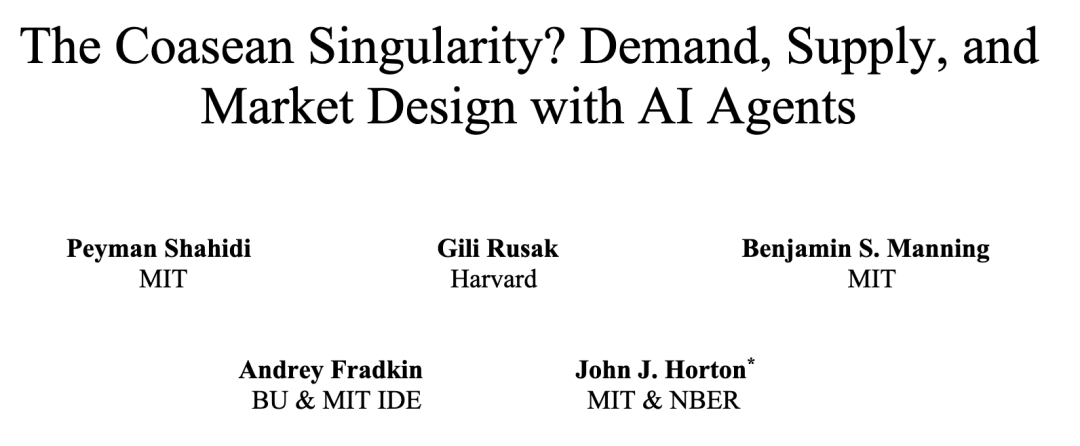 https://www.nber.org/system/files/chapters/c15309/c15309.pdfMcCrory 讨论的 Agent 场景天然与这一框架对话:如果 Agent 不只改变生产方式,还改变组织形态,劳动力市场的影响将远不止「谁丢了工作」这么简单。面对三种奇点,McCrory 给出的防线是同一道:「弱环节」。
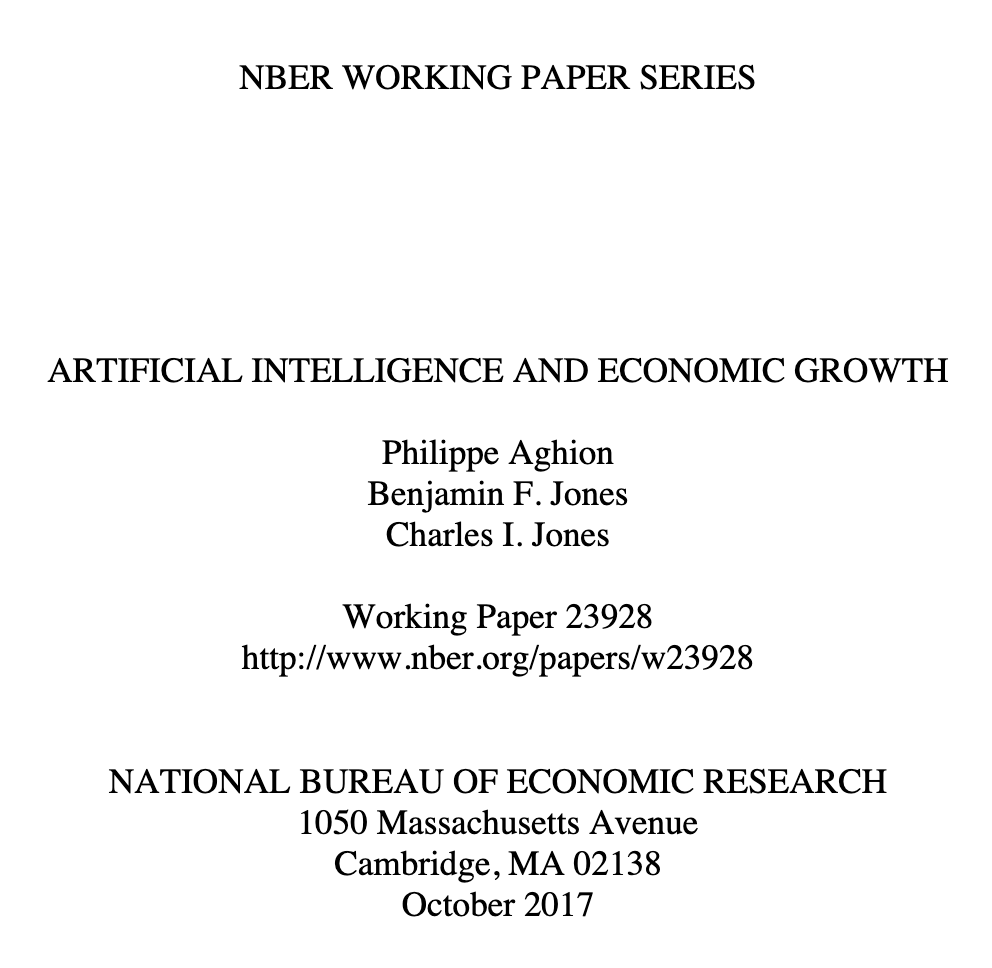 https://www.nber.org/system/files/working_papers/w23928/w23928.pdf只要存在始终无法被自动化的关键任务,无论是技术瓶颈还是社会约束,劳动收入份额就不会崩塌,企业形态也不会彻底解体。编程 Agent 的现状已经在验证这条逻辑。McCrory 引用的数据显示,引入编程 Agent 后代码行数增长了 10 到 20 倍,但软件发布量只增加了 30%,应用实际使用量没有任何增长。代码只是软件生产的一环,测试、架构设计、产品判断这些环节仍然卡在人手上,它们就是当前的「弱环节」。McCrory 给出了明确的预测:一年后美国的失业率不会因为 AI 而明显上升。这个判断的有效期是 12 个月,验证信号也很清晰——观察 AI 高暴露岗位的失业率是否开始偏离其他岗位,以及 Agent 场景中人类专业能力的回报是否开始下降。两个指标同时转向的那天,他自己搭建的这套分析框架也需要被修正。